In most cases foamy urine is nothing to worry about, but in some situations, it could be a sign of an underlying health issue.
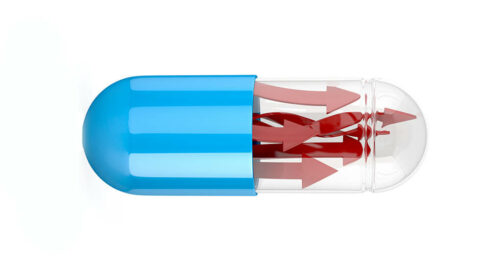
When seeing a urologist for erectile dysfunction (ED), many men ask about oral medications. Many men find them effective and convenient.
Genitourinary Syndrome of Menopause (GSM), formerly known as vulvovaginal atrophy (VVA) or atrophic vaginitis, is a common condition…
It can take time to find the right treatment for ED. And with lifestyle changes and surgery, it takes time for the situation to improve. What can men do in the meantime? How can they cope with ED in the here and now?
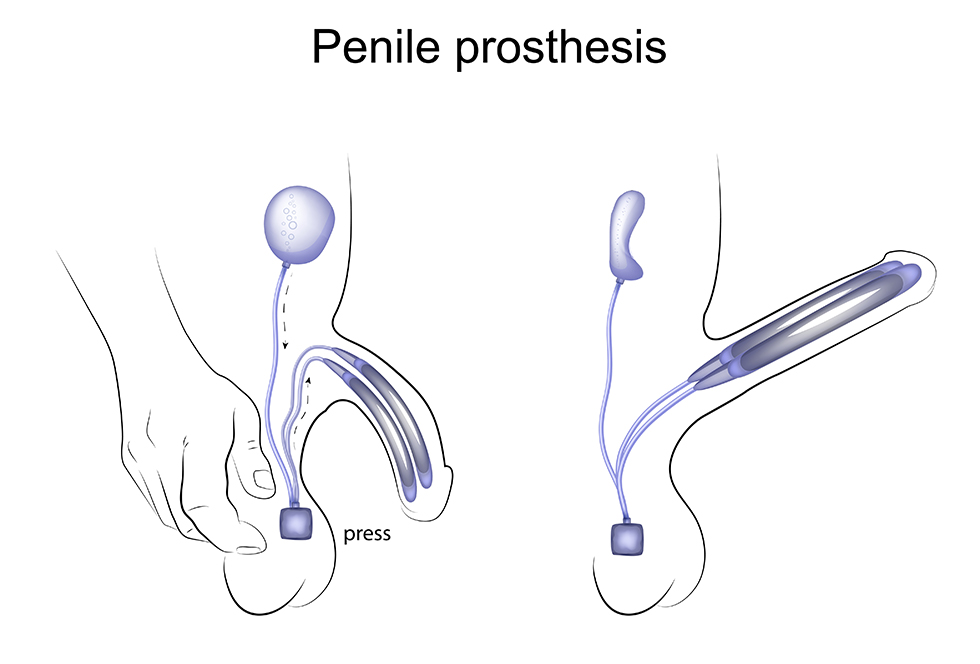
A penile implant (also called a penile prosthesis) is a surgically placed, mechanical device that helps a man get an erection—and keep it—for as long as he likes.
Around the world, people spend millions of dollars on dietary supplements each year. Many of the products are advertised as sexual enhancement products, claiming to boost libido, increase sexual pleasure, or give a man firmer erections.
Sex can be a sensitive topic for any couple. Some people are shy about their bodies or feel embarrassed discussing a subject so private and personal. But there are times when sexual issues need attention, and Peyronie’s disease can be one of those times.
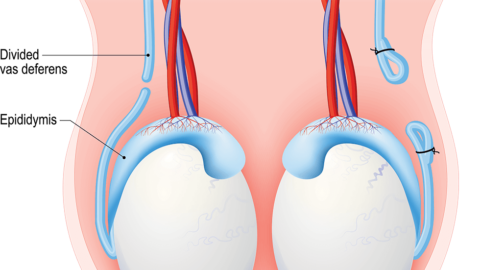
Our Q&A goes over many of the questions many men have as they’re contemplating having a vasectomy.
A balanced, nutritious diet can lower risk for a variety of health conditions, like heart disease and diabetes. And a diet full of fast food and TV dinners could have the opposite effect. This notion applies to sexual health, too.
The goal of this article is to debunk false information and clarify some of the issues medical scientists still debate. For topics still in debate, we put this information into context using current, peer-reviewed research on Prostate Cancer.